BestsellerNew ReleaseFeatured
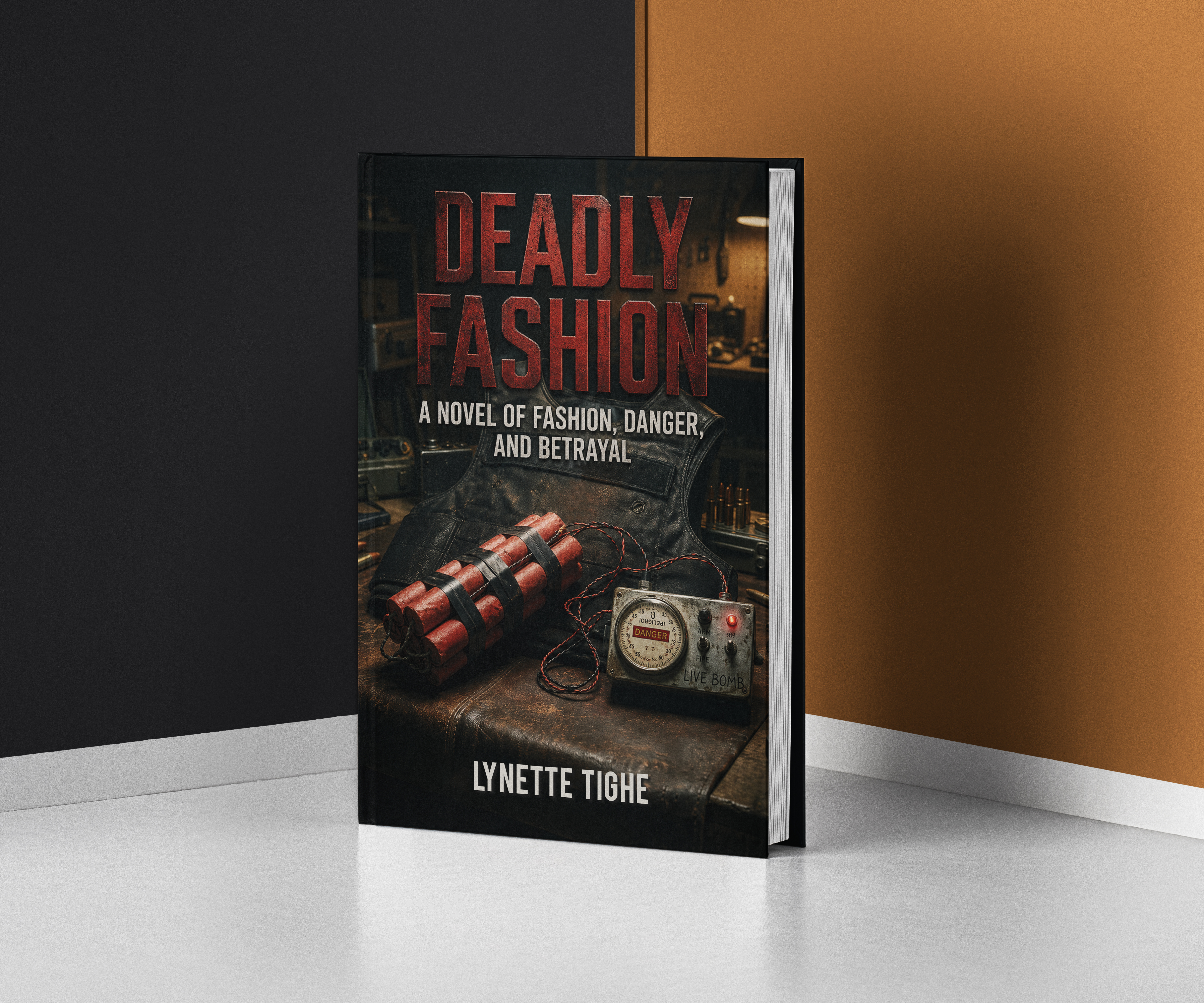
Deadly Fashion
A high-stakes psychological and geopolitical thriller set in a war-torn region—where survival, morality, and ideology collide.

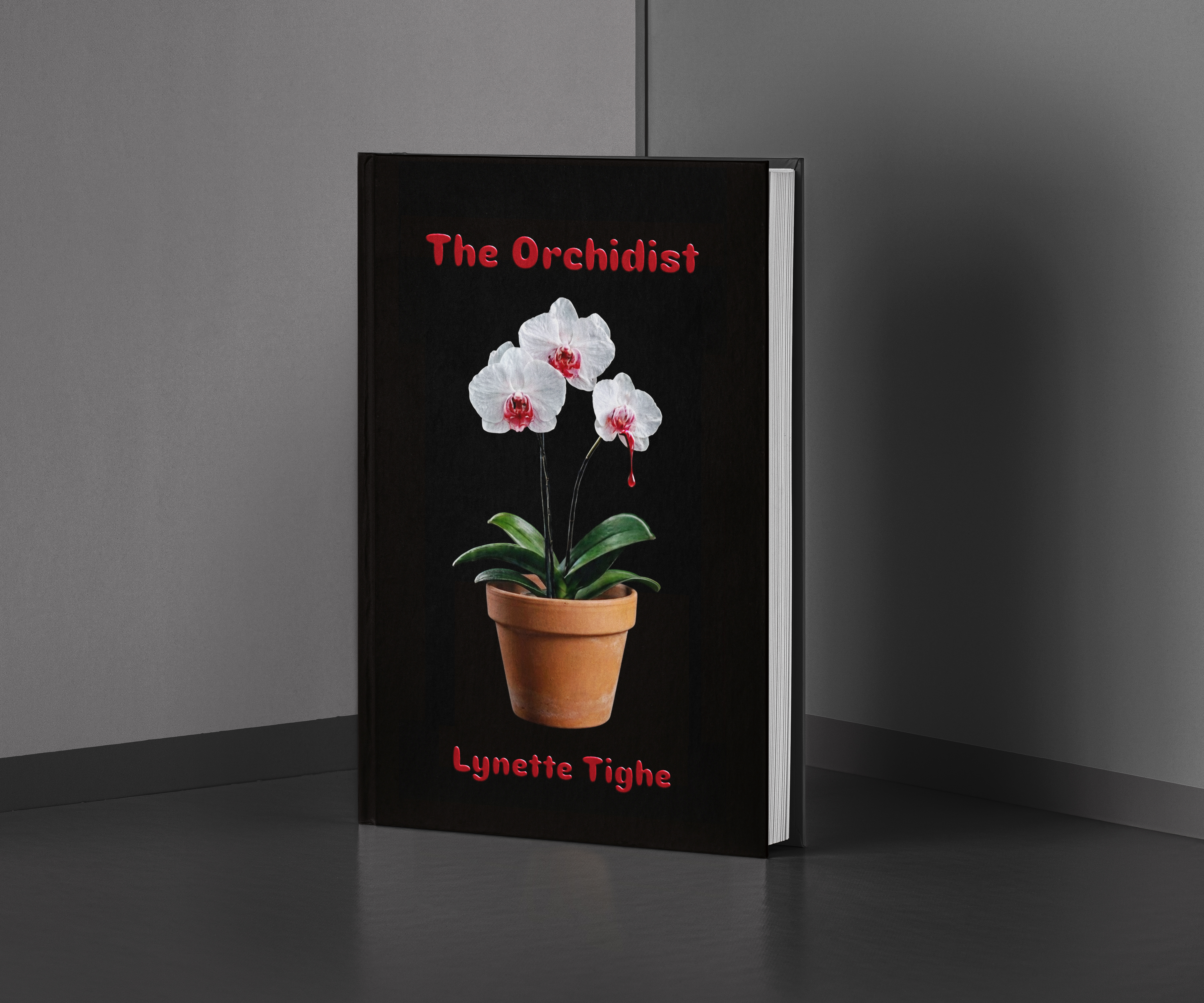
In the quiet town of Big Timber, Montana, Wiley Holmes is seen as a gentle soul with a cognitive disability and a miraculous gift for growing orchids. But when his parents die, a darker side emerges. He becomes a secret vigilante, murdering those he deems wicked and using their remains to cultivate his prized flowers. As the town praises its unassuming hero, the local sheriff slowly uncovers the macabre truth rooted in the soil of Wiley’s beautiful greenhouse.
Wiley Holmes, a man with a cognitive disability from a difficult birth, is raised on a Montana peach farm where he develops an unnerving empathy for plants and animals, reacting to their pain as his own.
After the deaths of his parents, Wiley begins to act as a vigilante, methodically murdering individuals he perceives as harmful, an animal abuser, a domestic abuser, an abortionist doctor, and a drug dealer.
He invents a gruesome horticultural method, using his victims' dismembered bodies in his compost heap to create a super-fertilizer that helps him grow uniquely beautiful and popular orchids.
While the town sheriff investigates the string of disappearances, Wiley becomes a celebrated local hero after saving a baby's life, further masking his secret life.
Wiley is killed by a swarm of bees, but the investigation continues posthumously, ultimately exposing him as the killer when forensic evidence, including DNA from his victims, is found in the soil of his orchids and on his farm.
The story is set in 1983 in Big Timber, a picturesque and close-knit town in Sweet Grass County, Montana. The primary setting is the Holmes Homestead, a sprawling multi-generational farm that includes a four-bedroom farmhouse, a productive peach orchard, and a large barn containing a wood chipper and farm implements, which were meticulously sharpened and became his macabre tools. and Wiley's greenhouse. The idyllic landscape, with its snow-capped mountains and fragrant pine trees, creates a stark contrast to the sinister and macabre events unfolding within it, giving the farm an eerie, unsettling atmosphere that even the authorities can sense.
The story consistently contrasts the serene, picturesque nature with the grotesque violence. The beautiful orchids are nourished by death, and Wiley himself embodies this duality. The town sees him as a simple, gentle hero, while he is also a cunning, ruthless killer. This theme questions whether good and evil are separate or inextricably linked, like life and decay in a compost heap.
A core theme is the town's complete misjudgement of Wiley. His disability acts as a perfect camouflage, leading everyone to interpret his strange behaviours as symptoms of his condition rather than evidence of his crimes. This extends to the orchids themselves, which are admired for their beauty without any suspicion of the horrific secret to their vitality. The narrative explores how society’s assumptions about disability can create a profound and dangerous blind spot.
Wiley operates on a primitive, black-and-white moral code, taking it upon himself to "fix" what he sees as wrong by eliminating the perpetrators. The story presents his victims as unsympathetic characters (abusers, criminals), which complicates the reader's judgment of his actions. This motif forces a reflection on whether his actions are a product of his disability, a righteous crusade, or simply a manifestation of his own monstrous nature, because the voice in his head told him to do so.
Wiley Holmes was born with a cognitive disability. He had a knack for growing beautiful Orchids. He became the town hero after his parents died. He committed vigilante justice, and his life morphed into a macabre chain of events, driven by the voice in his head. Fuzzy needed justice.
Leave your email and I’ll notify you when this book is available. (No backend wired yet — UI only.)
This book is unsettling in the most compelling way. The contrast between the beautiful orchids and what’s underneath is pure nightmare fuel.
A slow-burn that turns razor sharp. Wiley is one of those characters you can’t stop thinking about—tender and terrifying at the same time.
The small-town atmosphere feels real, and the sheriff’s investigation kept me flipping pages. The ending made my stomach drop.
Dark and weirdly beautiful. It’s the kind of story that makes you question how well anyone really knows their neighbors.
Brutal, eerie, and unforgettable. The disability misjudgment theme is handled in a way that feels pointed and uncomfortable—in a good, thought-provoking way.
A high-stakes psychological and geopolitical thriller set in a war-torn region—where survival, morality, and ideology collide.

A new story is on the way. Sign up to be the first to know.